Dent Car Repair: DIY vs Professional Solutions in Minnesota
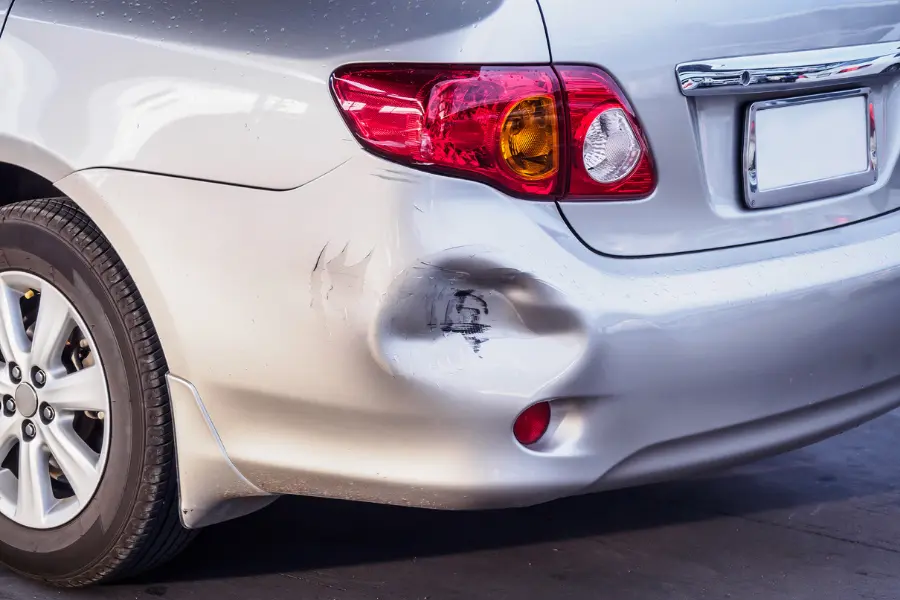
Why People Try DIY Dent Repair
Many car owners like the idea of handling small dents on their own. It feels good to take action right away, and there’s plenty of advice online for do-it-yourself dent repair. Some of the most common approaches include:
- DIY Car Dent Repair Kits: Suction cups or glue-based tools to pull out dents.
- Do It Yourself Paintless Dent Repair: Using rods or levers to push dents out from the inside of the panel.
- Household Hacks: Plungers, hot water, or hairdryers to loosen and pop out dents.
These methods can sometimes work on small dings, but they don’t always deliver the results you’re hoping for, especially on larger dents or hail damage.
Why DIY Isn’t Always Enough
Fixing a dent isn’t just about appearance. Even a small dent can leave paint vulnerable and lead to rust. Cars are built with precise curves and pressure points, meaning a simple “pull” may not restore the panel correctly.
5 Signs DIY Dent Repair Might Not Be Enough
1. The Dent is Too Big or Too Deep
Small dents from a parking lot mishap may respond to a plunger or kit, but anything bigger than a tennis ball is usually too tough to fix at home.
2. The Paint is Scratched or Cracked
If your dent comes with chipped paint, DIY won’t solve the problem. Professional repair addresses both the dent and finish, preventing rust.
3. The Dent Falls on a Body Line
Dents on ridges or curves are harder to repair without uneven panels. Professionals have the tools for these tricky areas.
4. Your Car Has Multiple Hail Dents
Hail storms often leave cars peppered with dents. Pulling out each dent at home can be frustrating and time-consuming. Trained repair shops handle this efficiently.
5. You Care About Resale Value
Even minor dents can affect a newer car’s value. DIY may leave waves or uneven finishes, while professionals restore a factory-smooth surface.
DIY vs. Professional Dent Repair
| Factor | DIY Car Dent Repair | Professional Paintless Dent Repair |
| Cost | Kits run about $20–$100 | Often covered by insurance |
| Skill Needed | Trial-and-error at home | Done by trained technicians |
| Results | Works on small dents only | Smooth finish on all dents |
| Time | Hours of work, with no guarantee | Usually completed in a day |
| Risks | Can stretch paint or leave uneven panels | Reliable, lasting repair |
Safe DIY Methods to Try
If you’d like to give it a shot before calling someone, here are safe approaches for small dents:
- Plunger Method: Works on flat, shallow dents.
- Boiling Water Trick: Pour boiling water over a plastic bumper, then push from behind.
- Hairdryer and Compressed Air: Heat the dent, then spray with cold air so the metal contracts.
- DIY Dent Repair Kit: Follow the directions closely.
Why Professional Help Makes Sense
At Knights Hail Repair, we see cars after nearly every major storm. Many owners try DIY paintless dent repair first, only to end up frustrated. Professionals offer:
- Consistent results across multiple dents
- Insurance coverage that may mean little or no cost
- Time savings, with most jobs done within a day
- Long-term protection from rust and panel warping
Wrapping It Up
Trying DIY dent repair can work on a small ding, but for hail damage, multiple dents, or preserving your car’s appearance and value, professional repair is the best approach.
Let’s Get Your Car Looking Like New Again
If your car was hit by hail, don’t wait until small dents become bigger problems. Knights Hail Repair can restore your car with professional methods that protect its value and appearance. Reach out today for a consultation — we’ll make the process easy and stress-free.