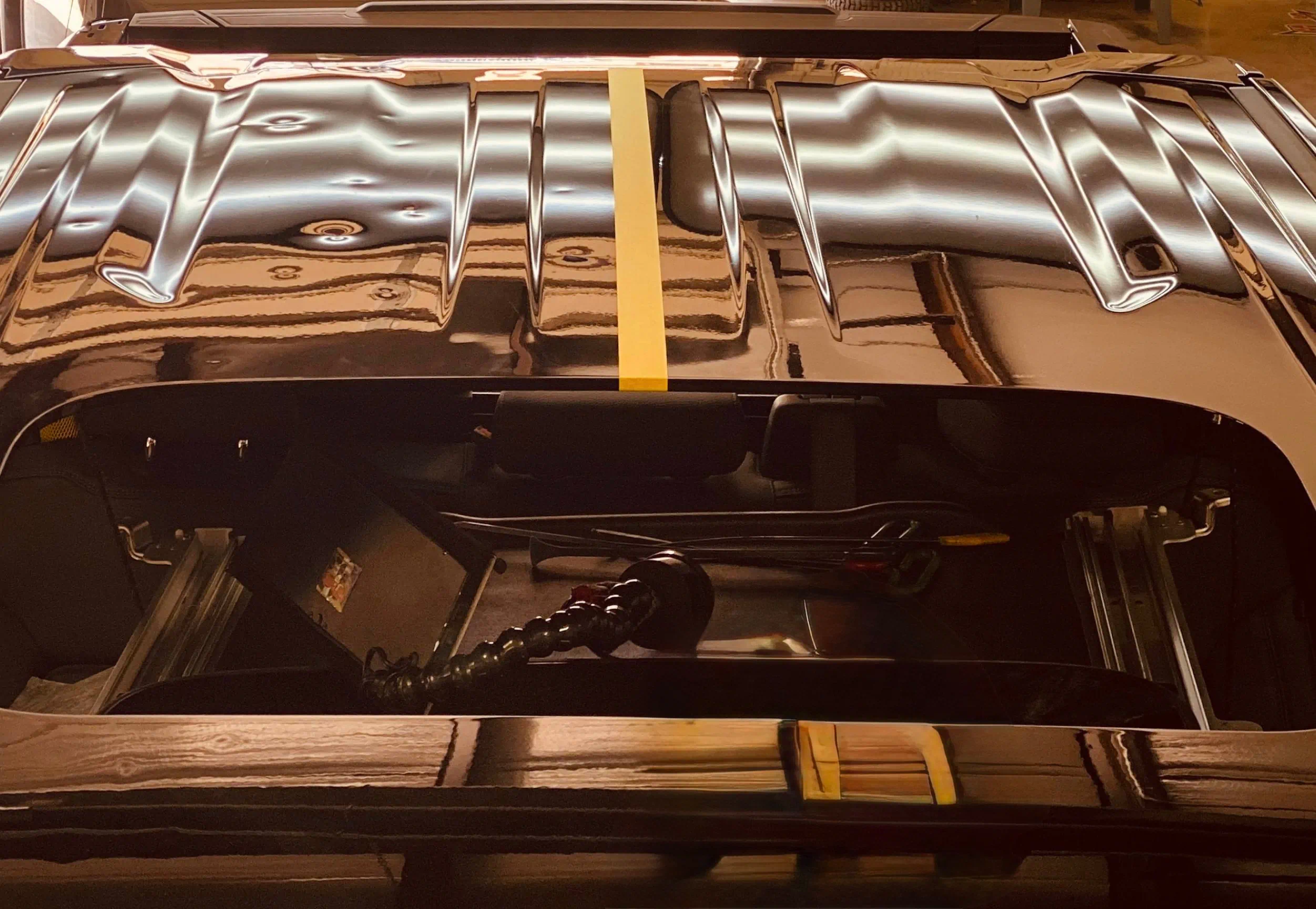
How Hail Damage Quietly Destroys Resale Value
Hail damage can quietly destroy resale value faster than almost anything else. Even moderate damage can knock a significant percentage off what your car is worth on the open market. Dealerships see it immediately. Appraisers factor it in instantly. And if you try to trade in a vehicle with visible hail damage, you’re almost guaranteed to get lowballed — or worse, turned away entirely.
But here’s where it shifts in your favor: properly repairing that damage doesn’t just restore your car — it restores your negotiating power. When your vehicle is dent-free, you’re no longer explaining away damage or accepting reduced offers. You’re back in control of the deal.
Why Waiting Can Cost You Everything
There’s another layer most people don’t think about — what happens if you don’t fix the hail damage and something else happens.
Insurance companies don’t look at damages in isolation. If you get into an accident after a hailstorm, they combine everything when evaluating your vehicle. That means your existing hail damage gets added into the total loss calculation. And it doesn’t take much to push a car over the edge.
What might have been a repairable vehicle suddenly becomes a total loss — not because of the accident alone, but because of damage you could have already taken care of.
Understanding How Insurance Companies Total Vehicles
Insurance companies determine whether your car is “totaled” by comparing repair costs to the vehicle’s actual cash value (ACV). In many cases, that threshold sits somewhere around 70–75%, though it can vary depending on your state and provider.
Here’s where it gets risky: if your car already has hail damage, that repair cost is factored into the equation. Add in a collision, and suddenly the combined cost can exceed the threshold — even if neither issue alone would have totaled the car.
Once that happens, the insurance company will declare your vehicle a total loss, cut you a check, and move on — often leaving you with less money than it would take to replace your vehicle in today’s market.
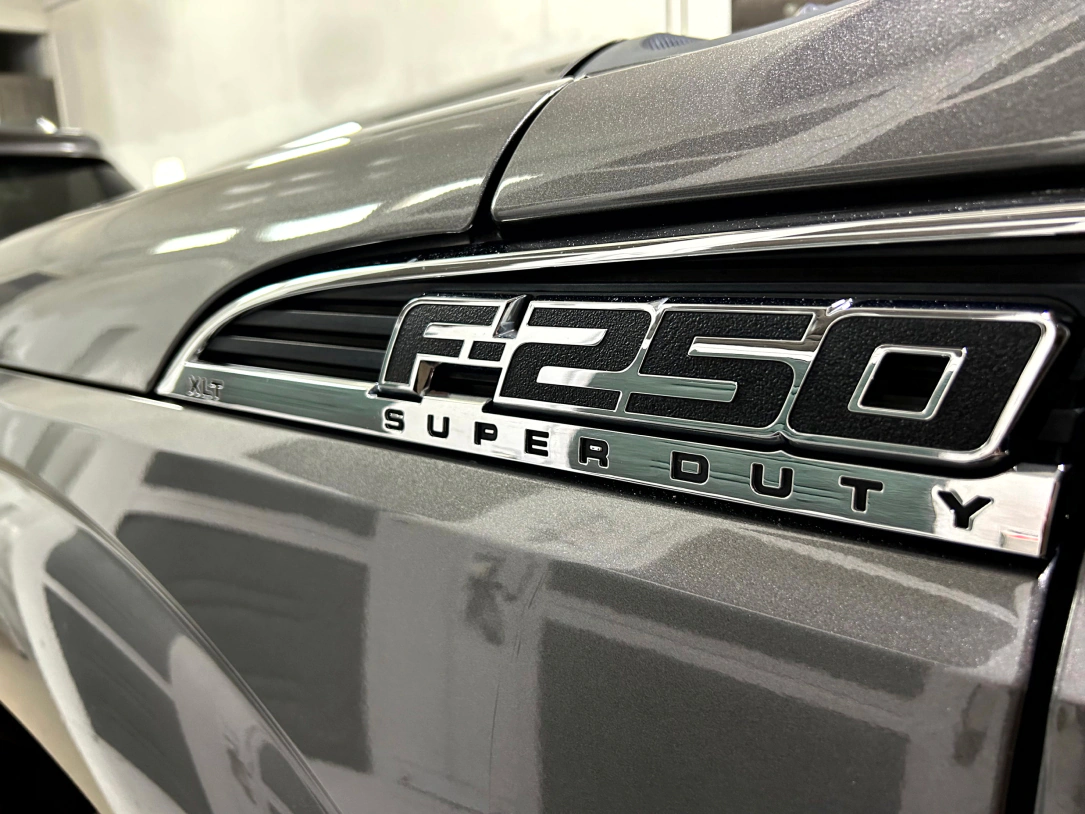
The Hidden Downsides of a Total Loss
Once a car is totaled, everything changes. The payout is based on what the insurance company says your car was worth before the damage — not what it would cost you to replace it today.
On top of that, many vehicles end up with a salvage title if retained or repurchased, which can significantly reduce future resale value. These vehicles are harder to insure, harder to finance, and much harder to sell.
What could have been a straightforward repair turns into a long-term financial setback.
How Insurance Companies Protect Their Bottom Line
Most major insurers operate under similar systems, but the way they apply them often works against the customer.
They rely on valuation software to determine your car’s value, using comparable vehicles that may not truly match your car’s condition, mileage, or local demand. If that number comes in low, it becomes much easier for them to justify totaling your vehicle instead of paying for repairs.
They also track prior damage. If you’ve previously had hail damage and didn’t repair it — or chose to keep the payout — that amount can be deducted from future claims or used to reduce what they owe you later.
It’s not always obvious when it’s happening, but these small details can cost you thousands.
How to Stay in Control of Your Claim
The key to protecting yourself is being proactive. Filing your hail claim within the allowable time frame keeps your options open and prevents complications down the road.
Getting a proper inspection is just as important. Not all estimates are created equal, and a rushed or incomplete inspection can undervalue the true extent of the damage.
Working with a specialist who understands the process ensures your claim is handled correctly from the start — and helps you avoid being pushed into outcomes that don’t benefit you.
Why Repairing Hail Damage Is In Your Best Interest
At the end of the day, hail damage isn’t just about how your car looks — it’s about what it’s worth.
Fixing it protects your resale value. It gives you leverage when trading in. It prevents future insurance complications. Along with protecting you from losing money due to technicalities and timing issues.
If your vehicle has been hit by hail — even if it happened months to years ago — taking action now could be the difference between maximizing your vehicle’s value and leaving money on the table.
Knights Hail Repair is here to help you repair your vehicle’s hail damage and restore it to pre-storm condition, insuring it’s resale value is at it’s peak. We can assist you In the process from start to finish, Including filing a claim with your Insurance company. Contact us to start the repair process.